AI Integration: Transforming Websites with Smart Tech

.jpg&w=3840&q=75)
Modern websites are evolving beyond static pages into intelligent platforms that understand, adapt, and respond to user needs. The integration of artificial intelligence transforms how websites operate, creating dynamic experiences that engage visitors and streamline business operations. This comprehensive guide explores practical approaches to integrate AI in website functionality, from simple chatbots to sophisticated personalization engines.
AI website integration involves embedding intelligent technologies that can process data, learn from user interactions, and make automated decisions. These systems range from simple rule-based chatbots to complex machine learning algorithms that personalize content in real-time.
The foundation of successful AI integration lies in understanding three key components: data collection mechanisms, processing algorithms, and user interface elements. Data collection captures visitor behavior, preferences, and interaction patterns. Processing algorithms analyze this information to generate insights and predictions. User interface elements present AI-driven features like recommendations, automated responses, or personalized content.
Organizations implementing AI website solutions typically see immediate improvements in user engagement and operational efficiency. AI chatbot for website deployment reduces customer service workload while providing 24/7 support availability. Personalization engines increase conversion rates by presenting relevant content to each visitor.
Cost reduction emerges as a significant advantage when AI tools for websites automate repetitive tasks. Content generation, customer inquiries, and basic troubleshooting can operate without human intervention, freeing teams to focus on strategic initiatives.
Successful AI website integration begins with analyzing current pain points and user journey bottlenecks. Common areas for improvement include customer support response times, content personalization gaps, and manual data processing tasks.
Start by mapping user interactions across your website. Identify moments where visitors abandon their journey or express frustration. These friction points often represent prime opportunities for AI intervention. Customer service chat logs, user feedback, and analytics data provide valuable insights into where AI website assistant functionality could make the biggest impact.

Define specific, measurable objectives for your AI integration project. Rather than vague goals like "improve user experience," establish concrete targets such as "reduce customer service response time by 50%" or "increase conversion rates by 15% through personalized recommendations."
Timeline planning should account for testing phases and gradual rollout strategies. Most successful implementations start with a single AI feature, measure results, and then expand functionality based on proven success.
The simplest method to implement AI on website involves embedding pre-built widgets or plugins. This approach requires minimal technical expertise and can be completed within hours. Most AI website builder platforms provide JavaScript code snippets that integrate directly into existing websites.
Widget-based solutions work well for standard features like chatbots, recommendation engines, or basic personalization. The trade-off involves limited customization options and potential dependency on third-party services.
API-based integration offers greater flexibility and control over AI functionality. This method involves connecting your website's backend systems with AI services through application programming interfaces. Developers can customize the user experience while leveraging powerful AI capabilities.
This approach enables seamless integration with existing databases, customer relationship management systems, and analytics platforms. The result is more sophisticated AI website personalization that draws from comprehensive user data.
Expert Insight
Enterprise-grade AI integration requires careful consideration of data security and compliance requirements. Organizations should prioritize solutions that operate within their secure environments while maintaining full control over sensitive information and AI model behavior.
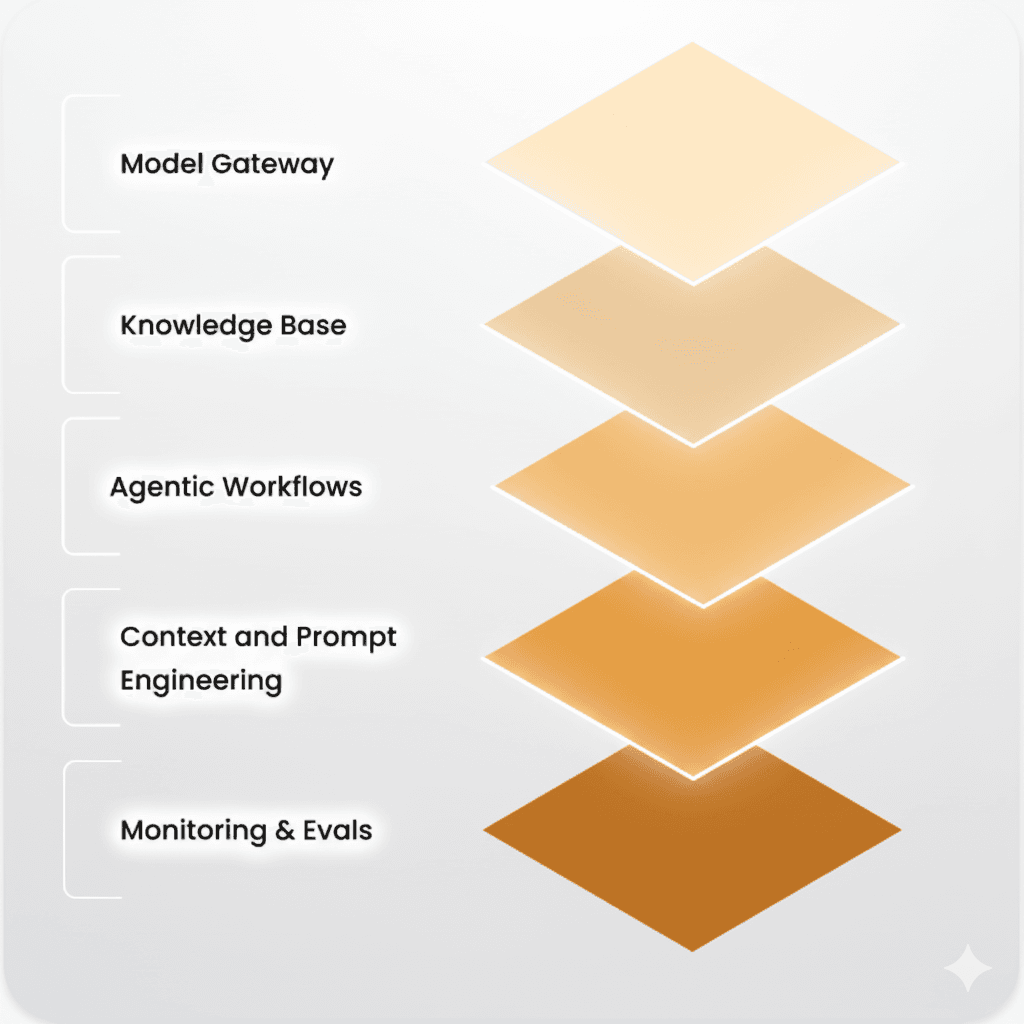
Large enterprises often require custom AI solutions that align with specific business processes and security requirements. Custom development provides complete control over functionality, data handling, and user experience design.
This path demands significant technical resources and longer development timelines. However, the result is AI website solutions perfectly tailored to organizational needs without vendor dependencies or recurring subscription costs.
AI chatbot for website deployment represents the most common starting point for AI integration. Modern chatbots handle complex conversations, understand context, and escalate issues appropriately to human agents.
Effective chatbot implementation requires careful conversation design, comprehensive knowledge base development, and integration with existing customer service workflows. The goal is seamless handoffs between AI and human support when necessary.
AI content generation website capabilities enable dynamic, personalized experiences for each visitor. These systems analyze user behavior, preferences, and demographic information to present relevant content, products, or services.
Personalization engines continuously learn from user interactions, improving recommendations over time. This creates increasingly engaging experiences that drive higher conversion rates and customer satisfaction.

Advanced AI website solutions incorporate predictive analytics to anticipate user needs and behavior patterns. These systems can identify potential customer churn, predict purchase likelihood, or recommend optimal content timing.
Implementation involves connecting AI algorithms with historical data, real-time user behavior, and external market factors. The resulting insights enable proactive business decisions and automated optimization strategies.
Successful AI integration requires ongoing monitoring and optimization. Establish key performance indicators that measure AI effectiveness, user satisfaction, and business impact. Regular analysis ensures AI systems continue delivering value as user needs evolve.
Performance optimization involves adjusting AI parameters, updating training data, and refining user interface elements based on real-world usage patterns. This iterative approach maximizes the return on AI investment.
AI integration transforms websites from static information repositories into intelligent, responsive platforms that adapt to user needs. Success depends on careful planning, appropriate technology selection, and ongoing optimization based on real-world performance data. Organizations that approach AI integration strategically can achieve significant improvements in user experience, operational efficiency, and business outcomes while maintaining control over their technology infrastructure and data security.