AI Multi-Agent Systems: Transforming E-Commerce Strategy

.jpg&w=3840&q=75)
The retail landscape stands at a pivotal moment. While traditional e-commerce platforms struggle with generic experiences and limited personalization, a new paradigm emerges through ai multi agent shopping systems. These sophisticated networks of intelligent agents work together to create seamless, personalized shopping experiences that adapt to individual customer needs in real-time.
This transformation goes beyond simple chatbots or recommendation engines. Multi-agent systems represent a fundamental shift toward intelligent, collaborative AI that can handle complex shopping scenarios with the nuance and adaptability previously reserved for human assistants.
An ai multi agent shopping system consists of multiple specialized AI agents that collaborate to deliver comprehensive shopping assistance. Unlike single-agent solutions, these systems deploy different agents for specific tasks—product discovery, price comparison, inventory checking, and customer service—all working in harmony.
The foundation of effective multi agent systems rests on three key elements. First, specialized agents handle distinct functions like search optimization, recommendation generation, and transaction processing. Second, communication protocols enable seamless data sharing between agents. Third, coordination mechanisms ensure agents work together without conflicts or redundancies.
Each agent operates with its own knowledge base and decision-making capabilities. A recommendation agent might analyze purchase history and browsing patterns, while a price comparison agent monitors market fluctuations across multiple platforms. This specialization allows for deeper expertise in each area while maintaining system-wide coherence.
Leading retailers deploy these systems to handle complex customer journeys. Fashion retailers use ai shopping agents that understand style preferences, seasonal trends, and size variations across brands. Electronics retailers employ agents that can explain technical specifications, compare features, and suggest compatible accessories.
The power of shopping assistant ai lies in its ability to understand context and intent beyond simple keyword matching. These systems analyze customer behavior patterns, purchase history, and even external factors like weather or events to provide relevant suggestions.
Intelligent shopping agents excel at uncovering products customers might never have found through traditional search. They consider subtle preferences, budget constraints, and timing factors to surface relevant options. A customer browsing for workout gear might receive suggestions for complementary nutrition products or fitness accessories based on their activity patterns.

Price comparison agents continuously monitor market conditions, competitor pricing, and inventory levels. They can alert customers to price drops, suggest optimal purchase timing, or identify alternative products that offer better value. This real-time analysis helps customers make informed decisions while maximizing their purchasing power.
Expert Insight
Multi-agent systems can process over 10,000 product comparisons per second while maintaining personalized recommendations for each individual customer, delivering both speed and relevance at enterprise scale.
Successful agent based e-commerce requires robust infrastructure that can handle multiple concurrent agent operations while maintaining data consistency and security. The architecture must support real-time communication between agents while ensuring customer data remains protected.
Enterprise-grade e-commerce agents demand scalable computing resources, secure data storage, and reliable communication networks. Cloud-agnostic platforms provide the flexibility to deploy across different environments while maintaining consistent performance standards.
Integration capabilities prove crucial for connecting with existing e-commerce platforms, inventory management systems, and customer relationship tools. Automated shopping agents must access real-time data from multiple sources to make accurate recommendations and process transactions efficiently.
Multi-agent systems handle sensitive customer data, payment information, and business intelligence. Implementing proper security measures, data encryption, and compliance protocols ensures customer trust while meeting regulatory requirements. Private deployment options allow enterprises to maintain full control over their data and operations.
AI powered shopping delivers measurable value for both businesses and customers through improved efficiency, enhanced experiences, and increased conversion rates.
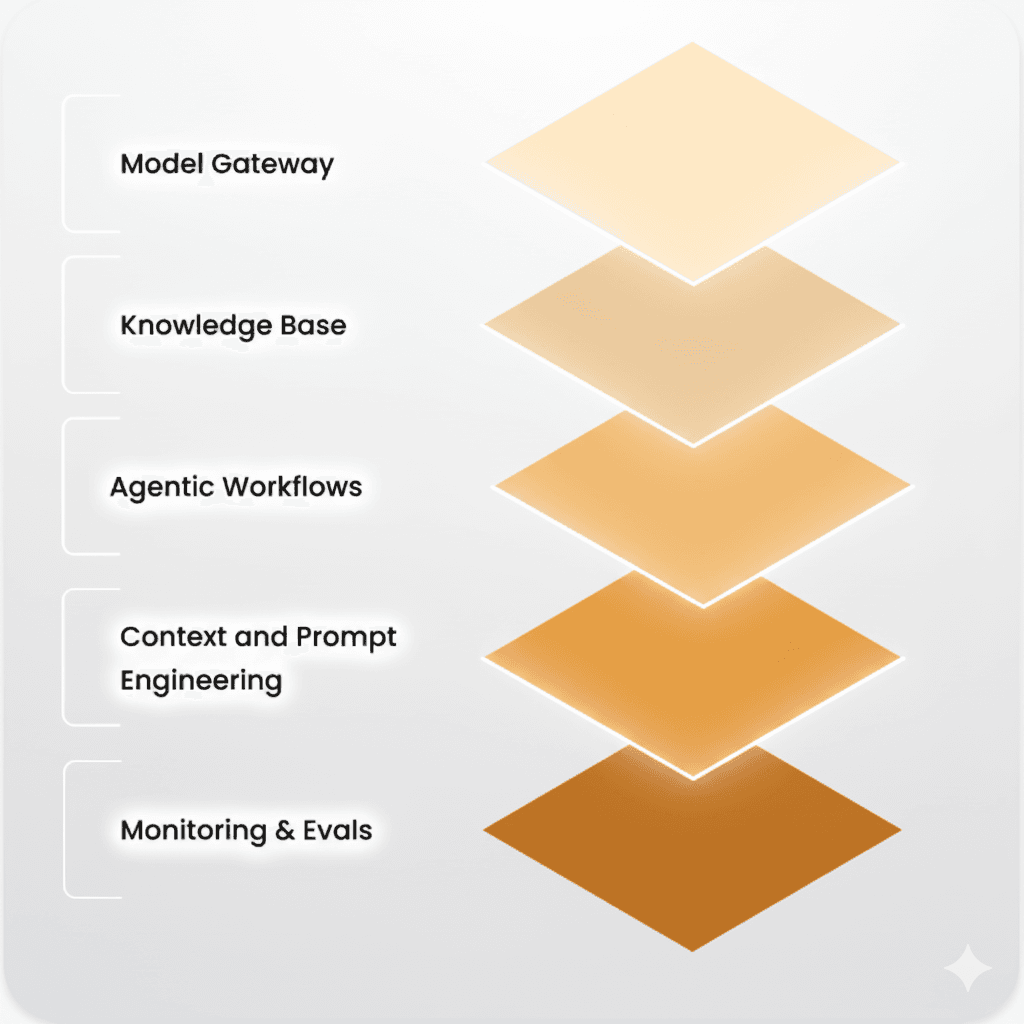
Businesses implementing multi-agent systems typically see significant improvements in key metrics. Conversion rates increase as customers receive more relevant product suggestions. Cart abandonment decreases when agents can address concerns or suggest alternatives in real-time. Customer lifetime value grows through improved satisfaction and loyalty.
Operational efficiency gains emerge from automated processes that previously required human intervention. Personalized shopping ai can handle routine inquiries, process standard transactions, and escalate complex issues to human agents when necessary.
Virtual shopping agents provide 24/7 availability, instant responses, and consistent service quality. Customers benefit from time savings, better product matches, and access to comprehensive product information. The personalized approach creates shopping experiences that feel tailored to individual needs and preferences.
Successful deployment of multi-agent shopping systems requires careful planning, phased implementation, and continuous optimization. Organizations must consider their existing technology stack, customer base, and business objectives when designing their approach.
Choosing the right development framework impacts system performance, scalability, and maintenance requirements. Modern platforms offer pre-built components for common agent functions while allowing customization for specific business needs. Integration capabilities with existing systems ensure smooth deployment without disrupting current operations.
Multi-agent systems require comprehensive testing to ensure proper coordination between agents and accurate performance under various scenarios. A/B testing helps optimize agent behavior and measure impact on key business metrics. Continuous monitoring allows for real-time adjustments and improvements.
The evolution of AI technology continues to expand possibilities for multi-agent shopping systems. Emerging trends include integration with augmented reality for virtual try-on experiences, voice-activated shopping through smart devices, and predictive purchasing that anticipates customer needs.

Future systems will leverage more sophisticated machine learning models to understand customer preferences at deeper levels. Context-aware agents will consider factors like mood, social influences, and life events to provide increasingly relevant suggestions.
Multi-agent systems will expand beyond individual e-commerce sites to coordinate shopping across multiple platforms, comparing options and managing purchases from various retailers through a unified interface.
Multi-agent systems deploy specialized AI agents for different tasks like product search, price comparison, and customer service, working together collaboratively. Traditional chatbots typically use single-agent approaches with limited specialization and coordination capabilities.
Enterprise-grade multi-agent systems implement encryption, secure data storage, and privacy controls. Deployment within private environments ensures customer data remains under organizational control while meeting compliance requirements for data protection regulations.
Yes, modern multi-agent systems offer flexible integration capabilities through APIs and standard protocols. They can connect with existing inventory management, customer relationship, and payment processing systems without requiring complete platform replacement.
Businesses typically see improvements in conversion rates, reduced cart abandonment, increased average order values, and enhanced customer satisfaction. Specific ROI varies by industry and implementation scope, but many organizations report positive returns within 6-12 months of deployment.
Different agents collaborate to address complex requests by combining their specialized capabilities. For example, a product search agent might identify options while a comparison agent evaluates features and a recommendation agent considers customer preferences to provide comprehensive assistance.
AI multi-agent shopping systems represent a significant advancement in e-commerce technology, offering unprecedented levels of personalization, efficiency, and customer satisfaction. These sophisticated networks of specialized agents work together to create shopping experiences that adapt to individual needs while delivering measurable business value. As organizations seek to differentiate themselves in competitive markets, multi-agent systems provide the foundation for innovative, customer-centric retail strategies. The future of e-commerce lies in intelligent, collaborative AI that understands customers as individuals and delivers experiences that exceed expectations while maintaining the security and control that enterprises require.