AI Integration: Transforming Hybrid Cloud Strategies


The convergence of artificial intelligence and hybrid cloud infrastructure represents a fundamental shift in how enterprises approach digital transformation. As organizations seek to balance the flexibility of public cloud services with the security and control of private infrastructure, AI integration emerges as the catalyst that transforms traditional hybrid cloud strategies into intelligent, self-optimizing ecosystems.
This transformation enables enterprises to move beyond static infrastructure management toward dynamic, AI-driven environments that adapt in real-time to changing business demands. The result is a hybrid cloud strategy that not only supports current operations but actively drives innovation and competitive advantage.
Hybrid cloud ai represents the evolution of traditional infrastructure models into intelligent systems that combine the best of both public and private cloud environments. Unlike conventional hybrid setups that require manual orchestration, AI-powered architectures leverage machine learning algorithms to automatically optimize resource allocation, predict capacity needs, and ensure seamless workload distribution.
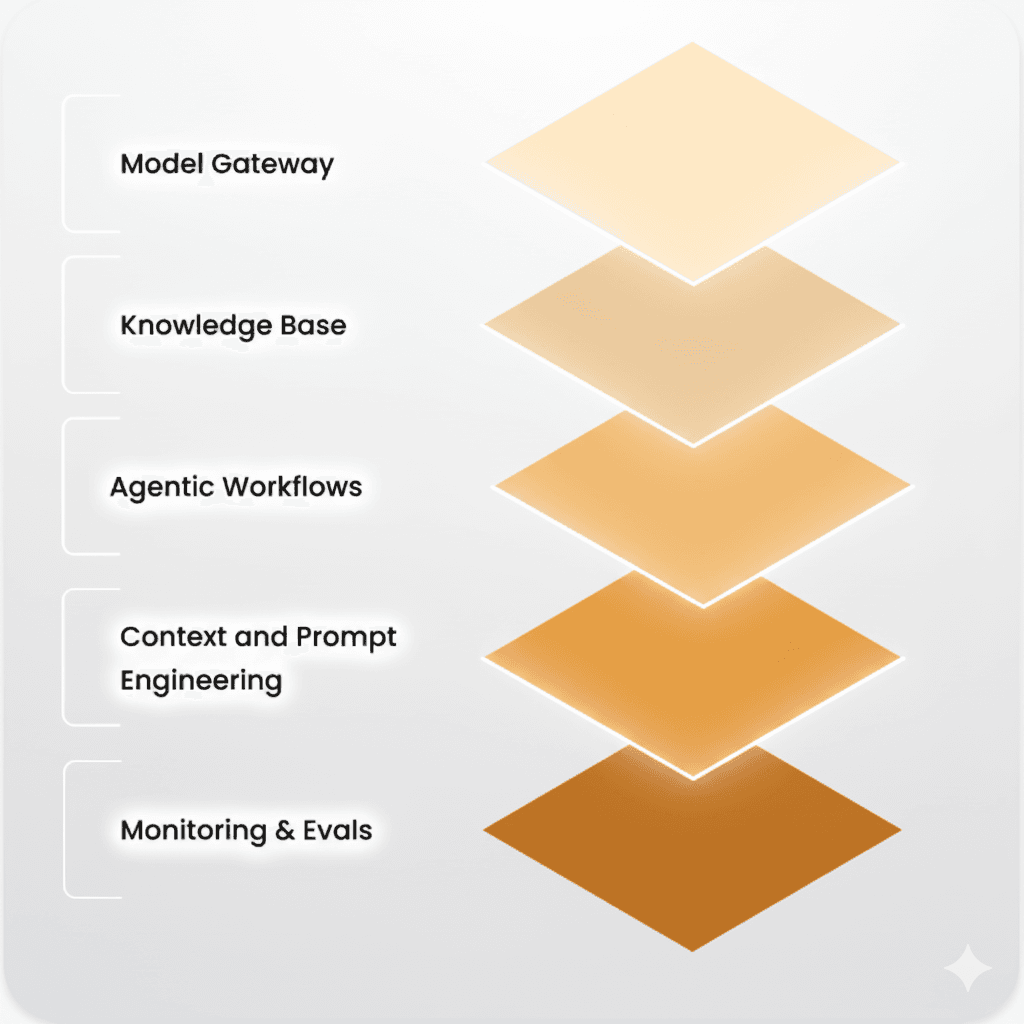
The core components of ai hybrid infrastructure include intelligent orchestration layers, automated security monitoring, predictive analytics engines, and self-healing capabilities. These elements work together to create an environment where infrastructure decisions are made based on real-time data analysis rather than predetermined rules.
Modern ai cloud solutions incorporate several critical elements that distinguish them from traditional hybrid deployments. Intelligent workload placement algorithms analyze application requirements and automatically determine the optimal environment for each task. Dynamic resource scaling responds to demand patterns before bottlenecks occur, while automated compliance monitoring ensures regulatory requirements are met across all environments.
The integration layer serves as the brain of the system, processing data from multiple sources to make informed decisions about resource allocation, security policies, and performance optimization. This creates a unified management experience that simplifies complex multi-cloud operations.
Enterprise ai cloud implementations deliver measurable value across multiple dimensions of business operations. Cost optimization occurs through intelligent resource allocation that eliminates waste and ensures workloads run in the most cost-effective environment. Organizations typically see 20-30% reduction in infrastructure costs within the first year of implementation.
Enhanced scalability becomes possible as AI systems predict demand patterns and automatically provision resources before they are needed. This proactive approach eliminates the performance degradation that often accompanies sudden traffic spikes or increased computational demands.
AI-driven security monitoring provides continuous threat detection and response capabilities that surpass traditional rule-based systems. Machine learning algorithms identify anomalous behavior patterns and automatically implement protective measures, reducing the time between threat detection and response from hours to seconds.
Compliance automation ensures that data governance policies are consistently applied across all environments, reducing the risk of regulatory violations and simplifying audit processes. This is particularly valuable for enterprises operating in highly regulated industries.
Expert Insight
Organizations implementing AI integration for hybrid cloud report an average 40% improvement in operational efficiency and 60% reduction in manual infrastructure management tasks within six months of deployment.
Ai for cloud management leverages several key technologies that fundamentally change how infrastructure operates. Predictive analytics engines analyze historical usage patterns, application behavior, and business cycles to forecast future resource needs with remarkable accuracy.
Machine learning algorithms continuously optimize workload placement decisions, learning from past performance data to improve future recommendations. This creates a self-improving system that becomes more efficient over time.
Ai driven cloud platforms implement sophisticated automation that extends beyond simple scripting. Intelligent orchestration systems understand the relationships between applications, data, and infrastructure components, making holistic decisions that optimize the entire ecosystem rather than individual elements.
Natural language processing capabilities enable conversational interfaces for infrastructure management, allowing teams to interact with complex systems using plain English commands. This democratizes access to advanced cloud management capabilities across the organization.
Successful cloud ai integration requires a structured approach that addresses both technical and organizational considerations. The implementation process begins with a comprehensive assessment of existing infrastructure, identifying opportunities for AI enhancement and potential integration challenges.
A phased approach ensures minimal disruption to ongoing operations while building confidence in AI capabilities. The initial phase focuses on non-critical workloads and basic automation, gradually expanding to more complex scenarios as teams gain experience and trust in the system.
Integrating ai cloud solutions successfully depends on several key factors. Data quality and accessibility form the foundation, as AI systems require clean, comprehensive data to make accurate decisions. Organizations must also invest in team training and change management to ensure smooth adoption of new processes and tools.
Establishing clear metrics and monitoring frameworks enables organizations to measure the impact of AI integration and make data-driven adjustments to their strategy. Regular assessment ensures that the implementation continues to deliver value as business needs evolve.
Cloud computing ai implementations often encounter predictable challenges that can be addressed through proper planning and preparation. Data silos represent one of the most significant obstacles, as AI systems require access to comprehensive information across all environments to make optimal decisions.
Legacy system integration requires careful consideration of compatibility issues and may necessitate modernization efforts. However, AI can actually facilitate this process by providing intelligent migration planning and automated testing capabilities.
The skills gap in AI and cloud technologies can be addressed through a combination of training existing staff and leveraging external expertise. Ai cloud services providers often offer comprehensive support that includes knowledge transfer and ongoing guidance.
Budget considerations should account for both initial implementation costs and long-term operational savings. While AI integration requires upfront investment, the automation and optimization benefits typically deliver positive ROI within 12-18 months.
The rapid evolution of AI technologies requires a forward-looking approach to hybrid cloud strategy. Organizations must design flexible architectures that can accommodate emerging AI capabilities without requiring complete infrastructure overhauls.
Multi-cloud AI orchestration becomes increasingly important as organizations seek to avoid vendor lock-in while leveraging specialized AI services from different providers. This approach enables enterprises to select the best tools for specific use cases while maintaining unified management and governance.
Green computing considerations are becoming central to AI hybrid cloud strategies. Intelligent resource optimization not only reduces costs but also minimizes environmental impact by eliminating unnecessary compute cycles and optimizing energy consumption.
Continuous innovation requires platforms that can rapidly integrate new AI capabilities as they become available. This flexibility ensures that organizations can maintain their competitive edge as the technology landscape evolves.
Traditional hybrid cloud requires manual orchestration and static policies, while AI-powered hybrid cloud uses machine learning to automatically optimize resource allocation, predict capacity needs, and adapt to changing conditions in real-time.
AI enhances cloud security through continuous monitoring, anomaly detection, and automated threat response. Machine learning algorithms can identify suspicious patterns that traditional rule-based systems might miss, providing proactive protection against emerging threats.
Initial costs include platform licensing, implementation services, and staff training. However, AI integration typically reduces operational costs through automation, optimization, and improved resource utilization, with most organizations seeing positive ROI within 12-18 months.
Implementation timelines vary based on infrastructure complexity and scope. A phased approach typically takes 6-12 months for full deployment, starting with pilot projects that can show value within 30-60 days.
Teams need a combination of cloud architecture knowledge, basic AI understanding, and data management skills. Many organizations supplement internal capabilities with external expertise during initial implementation and ongoing optimization.
AI integration transforms hybrid cloud from a static infrastructure model into a dynamic, intelligent platform that drives business innovation. Organizations that embrace this transformation position themselves to capitalize on emerging opportunities while maintaining the security and control that enterprise operations require. The key to success lies in taking a strategic, phased approach that builds capabilities over time while delivering measurable value at each stage. As AI technologies continue to evolve, enterprises with well-designed AI-powered hybrid cloud strategies will find themselves better equipped to adapt and thrive in an increasingly competitive landscape.
.jpg&w=3840&q=75)