AI Integration: Transforming Multi-Cloud Strategies

Enterprise leaders face a critical decision point in their digital transformation journey. As organizations expand their cloud footprint across multiple providers, the complexity of managing diverse environments grows exponentially. Traditional multi-cloud strategies, while offering flexibility and risk mitigation, often create operational silos and inefficiencies that hinder business agility.
The emergence of artificial intelligence as a transformative force in cloud management presents unprecedented opportunities to revolutionize how enterprises orchestrate their multi-cloud infrastructure. By integrating intelligent automation, predictive analytics, and machine learning capabilities into cloud operations, organizations can unlock new levels of efficiency, security, and strategic advantage.
This comprehensive guide explores how ai integration for multi cloud environments transforms traditional infrastructure management into intelligent, self-optimizing systems that drive measurable business outcomes.
Modern enterprises operate in increasingly complex cloud environments, often leveraging multiple providers to optimize costs, ensure redundancy, and access specialized services. However, this multi-cloud approach introduces significant management challenges that traditional tools struggle to address effectively.
AI driven cloud architecture fundamentally changes this paradigm by introducing intelligent decision-making capabilities that can analyze vast amounts of operational data in real-time. Unlike conventional multi-cloud management approaches that rely on static rules and manual intervention, AI-enhanced systems continuously learn from patterns, predict future needs, and automatically optimize resource allocation across cloud platforms.
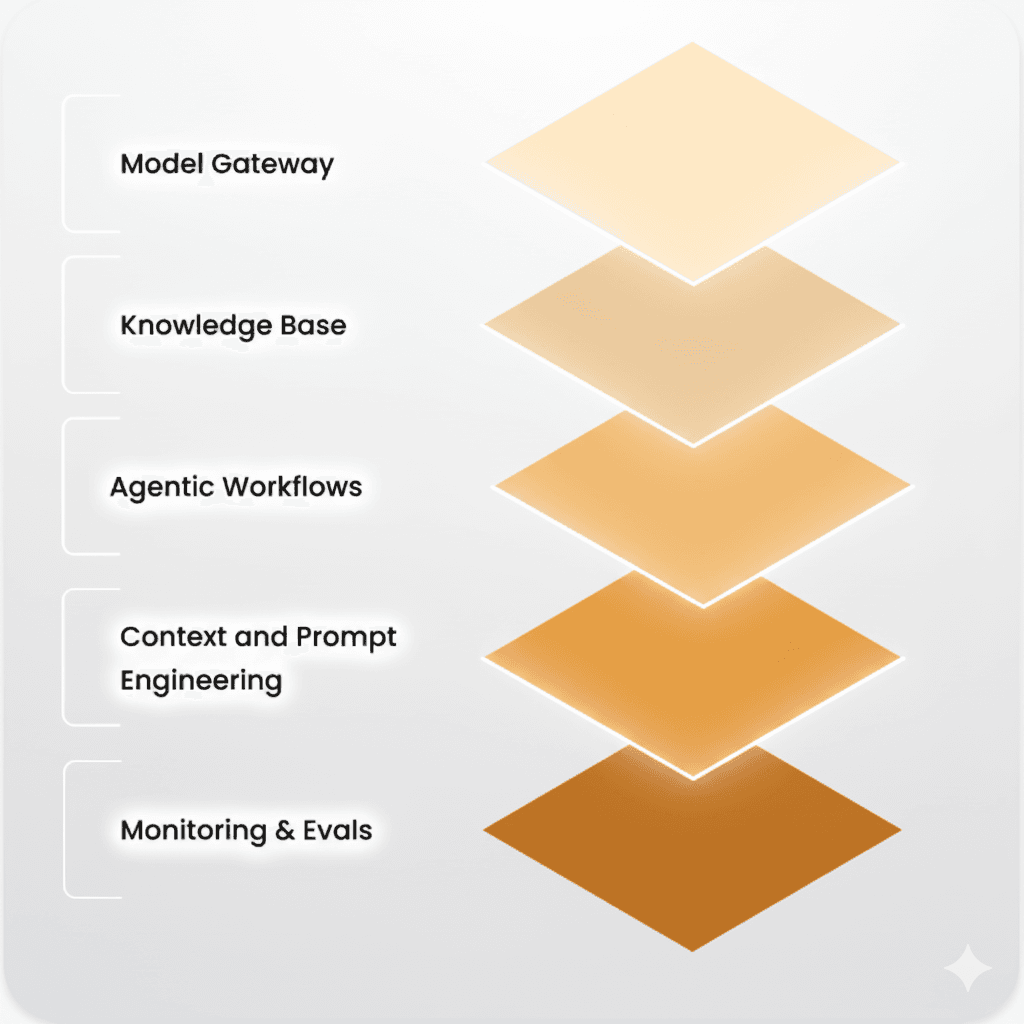
The foundation of successful ai integration for multi cloud environments rests on several key architectural elements. Intelligent orchestration layers serve as the central nervous system, coordinating workloads and resources across different cloud providers based on real-time performance metrics, cost considerations, and business priorities.
Machine learning algorithms analyze historical usage patterns, application performance data, and external factors to make informed decisions about workload placement and resource scaling. These systems can predict demand spikes, identify potential performance bottlenecks, and proactively adjust infrastructure configurations to maintain optimal performance levels.
Data fabric technologies enable seamless information flow between cloud environments, ensuring that AI systems have access to comprehensive datasets needed for accurate decision-making. This unified data layer eliminates silos and provides the foundation for advanced analytics and intelligent automation across the entire multi-cloud ecosystem.
The landscape of AI cloud solutions has evolved rapidly, offering enterprises sophisticated tools to manage complex multi-cloud environments with unprecedented efficiency and intelligence. These solutions address critical operational challenges while enabling organizations to maximize the value of their cloud investments.
Advanced cloud AI platforms leverage machine learning algorithms to continuously analyze resource utilization patterns across multiple cloud providers. These systems identify underutilized resources, predict future capacity needs, and automatically adjust allocations to optimize both performance and cost efficiency.
Predictive scaling capabilities enable organizations to anticipate demand fluctuations and proactively provision resources before performance degradation occurs. This approach eliminates the reactive nature of traditional scaling methods and ensures consistent application performance during peak usage periods.
Expert Insight
Organizations implementing AI-driven resource optimization typically see 30-40% reduction in cloud costs within the first six months, while simultaneously improving application performance and reducing manual management overhead.
.jpg&w=3840&q=75)
Cost optimization represents one of the most immediate and measurable benefits of multi cloud management through AI integration. Intelligent cost management systems continuously monitor spending patterns across cloud providers, identifying opportunities for optimization and automatically implementing cost-saving measures.
These systems analyze pricing models, usage patterns, and performance requirements to recommend optimal instance types, storage configurations, and service selections. Advanced algorithms can even negotiate better pricing through automated reserved instance purchases and spot instance utilization strategies.
Successful enterprise AI implementation requires careful consideration of infrastructure design principles that support distributed AI workloads while maintaining security, compliance, and performance standards across multiple cloud environments.
Designing AI infrastructure for multi-cloud environments requires a fundamentally different approach compared to traditional application architectures. AI workloads often involve large datasets, complex computational requirements, and strict latency constraints that must be carefully balanced across cloud providers.
Container orchestration platforms provide the foundation for portable AI applications that can run consistently across different cloud environments. These platforms enable organizations to package AI models, dependencies, and configurations into standardized units that can be deployed and scaled dynamically based on demand and performance requirements.
Network architecture plays a crucial role in enabling efficient cloud integration for AI workloads. High-bandwidth, low-latency connections between cloud providers ensure that distributed AI systems can access data and computational resources without performance degradation.
Security requirements for AI-driven multi-cloud environments extend beyond traditional infrastructure protection to include model security, data privacy, and algorithmic governance. Organizations must implement comprehensive security frameworks that protect sensitive data while enabling AI systems to operate effectively across cloud boundaries.
Encryption strategies must address data in transit, at rest, and in use across multiple cloud providers. Advanced encryption techniques, including homomorphic encryption and secure multi-party computation, enable AI systems to process sensitive data without exposing it to unauthorized access.
The true power of AI cloud platform integration emerges through comprehensive automation strategies that transform manual, error-prone processes into intelligent, self-managing systems. These automation capabilities extend across the entire cloud lifecycle, from initial deployment to ongoing optimization and maintenance.
Cloud automation powered by AI enables infrastructure systems to detect, diagnose, and resolve issues automatically without human intervention. Machine learning algorithms analyze system logs, performance metrics, and error patterns to identify potential problems before they impact business operations.

When issues occur, intelligent systems can automatically implement remediation strategies, such as restarting failed services, scaling resources to handle increased load, or redirecting traffic to healthy infrastructure components. This self-healing capability significantly reduces downtime and improves overall system reliability.
Intelligent cloud systems leverage predictive analytics to anticipate demand patterns and automatically adjust resource allocation across multiple cloud providers. These systems consider factors such as historical usage patterns, seasonal variations, business events, and external market conditions to make informed scaling decisions.
Advanced load balancing algorithms distribute workloads across cloud providers based on real-time performance metrics, cost considerations, and availability requirements. This dynamic approach ensures optimal resource utilization while maintaining consistent application performance.
While the benefits of AI-driven multi-cloud strategies are substantial, organizations must navigate several challenges to achieve successful implementation. Understanding and addressing these challenges proactively ensures smoother deployment and better long-term outcomes.
One of the primary concerns with cloud adoption is the risk of vendor lock-in, which can limit flexibility and increase costs over time. AI-powered multi-cloud strategies actually help mitigate this risk by enabling organizations to distribute workloads across multiple providers and maintain portability through standardized interfaces and APIs.
Container-based deployment models and cloud-agnostic AI platforms provide the foundation for portable applications that can move between cloud providers without significant reconfiguration. This flexibility enables organizations to optimize costs, access specialized services, and maintain negotiating power with cloud vendors.
Managing data consistency across multiple cloud environments presents unique challenges for AI systems that require access to comprehensive, up-to-date information. Advanced data synchronization technologies and distributed database systems enable real-time data replication while maintaining consistency and integrity across cloud boundaries.
Event-driven architectures and streaming data platforms ensure that AI systems have access to the latest information regardless of where data originates or where processing occurs. These technologies enable organizations to maintain data freshness while optimizing storage and processing costs across cloud providers.
Successful implementation of ai integration for multi cloud environments requires a structured approach that balances technical requirements with business objectives. Organizations that follow proven best practices achieve better outcomes and avoid common pitfalls that can derail AI initiatives.
A gradual, phased approach to AI integration allows organizations to build capabilities incrementally while minimizing risk and maximizing learning opportunities. Starting with pilot projects in non-critical areas enables teams to develop expertise and refine processes before expanding to mission-critical systems.
Each phase should include clear success metrics, learning objectives, and expansion criteria. This structured approach ensures that organizations can demonstrate value early while building the foundation for larger-scale implementations.
Establishing comprehensive governance frameworks ensures that AI systems operate within acceptable risk parameters while delivering business value. These frameworks should address data privacy, algorithmic bias, model performance monitoring, and compliance requirements across multiple jurisdictions.
Regular audits and performance reviews help organizations identify potential issues early and implement corrective measures before problems impact business operations. Continuous monitoring and improvement processes ensure that AI systems remain effective and aligned with business objectives over time.
AI integration for multi-cloud involves using artificial intelligence to automate, optimize, and manage workloads across multiple cloud platforms, enabling intelligent resource allocation, cost optimization, and enhanced performance through machine learning algorithms and predictive analytics.
AI improves multi-cloud management through automated workload distribution, predictive scaling based on usage patterns, intelligent cost optimization across providers, enhanced security monitoring with anomaly detection, and streamlined operations that reduce manual intervention requirements.
Key security considerations include data encryption across cloud boundaries, model protection and intellectual property security, compliance with multiple regulatory frameworks, identity and access management across providers, and continuous monitoring for security threats and vulnerabilities.
Success metrics include cost reduction percentages, performance improvement measurements, automation efficiency gains, reduced manual intervention requirements, improved system reliability and uptime, and faster time-to-market for new applications and services.
Organizations need expertise in cloud architecture, machine learning and AI technologies, DevOps and automation practices, data engineering and analytics, cybersecurity and compliance, and change management to ensure successful adoption across teams and departments.
The transformation of multi-cloud strategies through AI integration represents a fundamental shift in how enterprises approach infrastructure management and optimization. Organizations that embrace intelligent cloud technologies gain significant competitive advantages through improved efficiency, reduced costs, and enhanced agility in responding to market demands.
Success in this transformation requires careful planning, phased implementation, and commitment to continuous learning and improvement. By leveraging AI-driven automation, predictive analytics, and intelligent orchestration, enterprises can unlock the full potential of their multi-cloud investments while maintaining the security, compliance, and control that modern business demands.
As the technology landscape continues to evolve, organizations that establish strong foundations in AI-powered multi-cloud management will be best positioned to adapt to future innovations and maintain their competitive edge in an increasingly digital marketplace.


Copyright © 2025 dotkonnekt Pte Ltd. All rights reserved.