Transforming Enterprise AI with Multi-Modal Platforms

.jpg&w=3840&q=75)
Modern enterprises face a critical challenge: how to harness the full potential of artificial intelligence while managing complex, fragmented systems. The answer lies in multi-modal AI platforms that unify diverse AI capabilities into a single, powerful solution. These platforms represent the next evolution in enterprise AI, enabling organizations to process and analyze multiple data types simultaneously—from text and images to audio and sensor data—within one integrated environment.
A multi-modal AI platform combines different types of artificial intelligence capabilities into one unified system. Unlike traditional single-purpose AI solutions, these platforms can handle various data formats and processing requirements simultaneously.
The foundation of any effective AI platform includes several key elements. A robust machine learning platform provides the computational backbone for training and deploying models. Computer vision capabilities enable image and video processing, while natural language processing handles text-based data.
These platforms integrate seamlessly with existing enterprise infrastructure. They support real-time data processing and batch operations, making them suitable for diverse business requirements. The unified approach eliminates the need for multiple standalone systems, reducing complexity and operational overhead.
Traditional AI solutions often operate in isolation, creating data silos and integration challenges. Multi-modal platforms break down these barriers by enabling different AI capabilities to work together. This integration allows for more sophisticated analysis and better business insights.
The business case for multi-modal AI is compelling. Organizations can reduce costs by consolidating multiple AI tools into one platform. This approach also improves data consistency and reduces the complexity of managing separate systems.
Many enterprises struggle with the transition from proof-of-concept to production-ready AI applications. Multi-modal platforms simplify this journey by providing integrated tools for model development, deployment, and monitoring. They eliminate the need to build complex AI infrastructure from scratch.
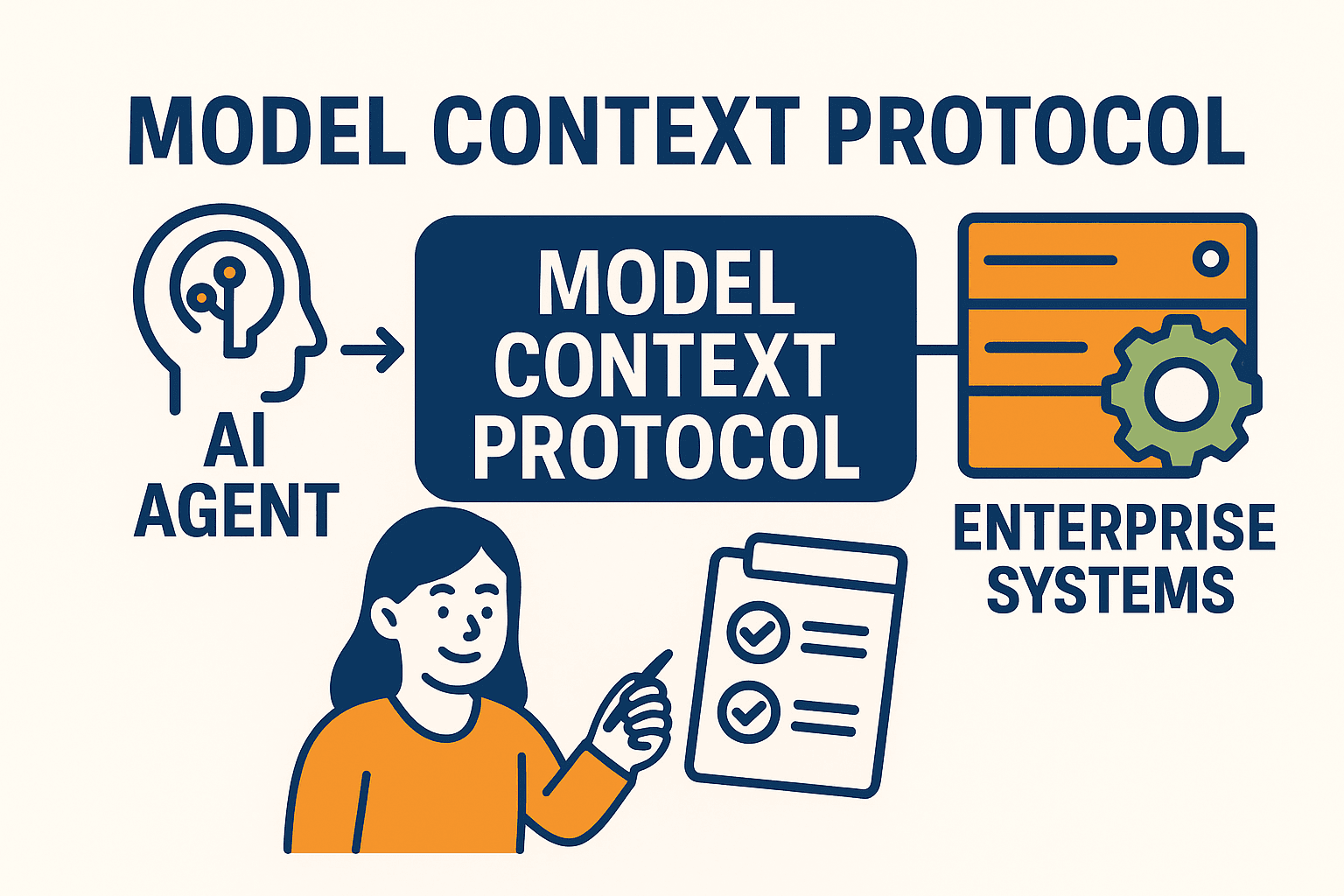
Security and compliance remain top priorities for enterprise decision-makers. Modern platforms address these concerns by offering deployment within secure, private environments. They include built-in compliance features and data governance tools that meet enterprise standards.
Expert Insight
Organizations using integrated multi-modal AI platforms report 40% faster time-to-production compared to those managing separate AI tools. The unified approach reduces integration complexity and accelerates innovation cycles.
An effective AI development platform must provide comprehensive capabilities across multiple domains. The computer vision platform components enable processing of visual data, from simple image recognition to complex video analysis.
The deep learning platform architecture supports various neural network types and frameworks. This flexibility allows data scientists to choose the best tools for their specific use cases. The platform should support both supervised and unsupervised learning approaches.
Natural language processing capabilities form another crucial component. The NLP platform features enable text analysis, sentiment detection, and language understanding. These tools work alongside computer vision to provide comprehensive data analysis.
Modern enterprise AI platforms must integrate with existing business systems. They should provide robust APIs and support various data formats. Cloud-agnostic deployment ensures flexibility across different infrastructure environments.
Scalability becomes critical as AI adoption grows within organizations. Kubernetes-based architectures provide the reliability and scalability needed for enterprise workloads. This approach ensures consistent performance as data volumes and user demands increase.
Successful implementation requires careful planning and a phased approach. Organizations should start with pilot projects that demonstrate clear business value. This strategy builds confidence and provides learning opportunities before full-scale deployment.

Data quality directly impacts AI performance. Organizations must establish clear data governance policies and ensure consistent data formats across different sources. The platform should provide tools for data preprocessing and quality validation.
Team training plays a crucial role in successful adoption. While multi-modal platforms simplify AI development, teams still need to understand best practices for model development and deployment. Comprehensive training programs ensure effective platform utilization.
Enterprise-grade security features protect sensitive data throughout the AI lifecycle. The platform should support deployment within secure, private environments while maintaining full functionality. Built-in compliance tools help organizations meet regulatory requirements.
Multi-modal AI platforms enable innovative applications across various industries. In manufacturing, they combine sensor data with visual inspection for predictive maintenance. Healthcare organizations use them to analyze medical images alongside patient records for better diagnosis.
Retail companies leverage multi-modal capabilities to enhance customer experiences. They analyze customer behavior through video analytics while processing text-based feedback and reviews. This comprehensive approach provides deeper insights into customer preferences.
Financial services use these platforms for fraud detection and risk assessment. They combine transaction data with behavioral patterns and document analysis to identify potential threats. The integrated approach improves accuracy while reducing false positives.
The AI infrastructure landscape continues to evolve rapidly. Organizations need platforms that can adapt to new technologies and methodologies. Cloud-agnostic architectures provide flexibility to leverage different cloud providers as needs change.
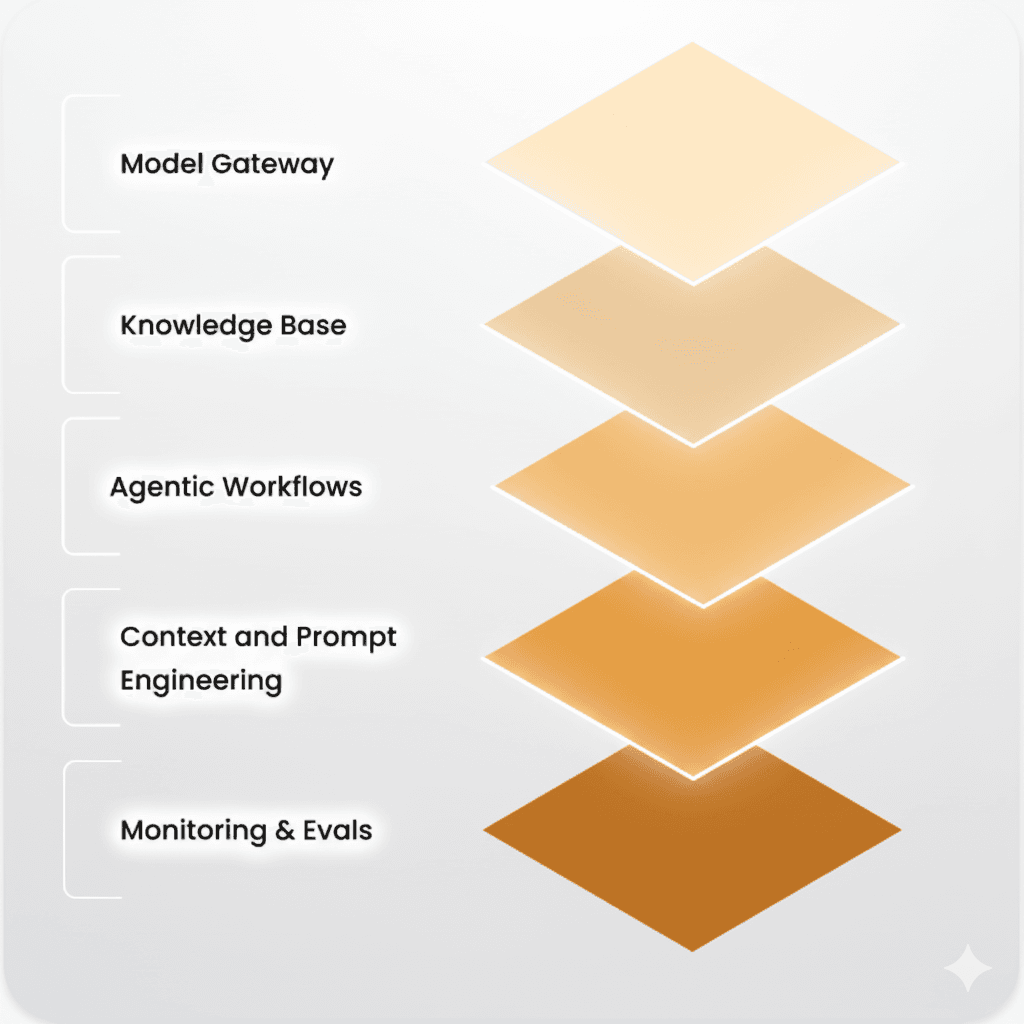
Edge computing integration becomes increasingly important for real-time applications. Multi-modal platforms should support distributed deployments that bring AI capabilities closer to data sources. This approach reduces latency and improves performance for time-sensitive applications.
Multi-modal platforms integrate multiple AI capabilities into one unified system, eliminating the need for separate tools and reducing integration complexity.
These platforms offer deployment within secure, private environments with built-in compliance features and data governance tools that meet enterprise security standards.
Manufacturing, healthcare, retail, financial services, and transportation see significant benefits from the integrated approach to processing diverse data types.
Implementation timelines vary based on organizational complexity, but most enterprises see initial results within 3-6 months using a phased deployment approach.
While platforms simplify AI development, teams benefit from understanding machine learning concepts, data engineering, and basic platform administration skills.
Multi-modal AI platforms represent the future of enterprise artificial intelligence, offering integrated capabilities that simplify complex AI implementations while maintaining security and control. These platforms enable organizations to move beyond proof-of-concept limitations and deploy production-ready AI solutions that drive real business value. By choosing the right platform and following proven implementation strategies, enterprises can transform their operations and gain competitive advantages in an increasingly AI-driven marketplace.


Copyright © 2025 dotkonnekt Pte Ltd. All rights reserved.