The Future of AI: Reimagining Agent Builder Tech


The landscape of artificial intelligence is evolving at breakneck speed, and at the heart of this transformation lies a revolutionary technology: the agent builder. These platforms are fundamentally changing how organizations approach automation, moving beyond simple rule-based systems to create intelligent, autonomous agents capable of complex decision-making and seamless workflow integration.
As enterprises grapple with increasing operational complexity and the demand for digital transformation, agent builder technology emerges as a critical enabler. This shift represents more than just technological advancement—it signals a new era where businesses can harness AI's power without requiring extensive technical expertise or massive infrastructure investments.
An agent builder is a comprehensive platform that enables organizations to create, deploy, and manage intelligent AI agents without extensive programming knowledge. Unlike traditional automation tools that follow rigid scripts, these platforms empower users to develop autonomous agents capable of learning, adapting, and making decisions based on real-time data and contextual understanding.
Modern AI agent creator platforms integrate several essential components that work together seamlessly. Natural language processing capabilities enable agents to understand and respond to human communication naturally. Advanced workflow engines orchestrate complex business processes, while machine learning algorithms continuously improve agent performance based on interactions and outcomes.
The architecture of an autonomous agent platform typically includes visual workflow designers, pre-built templates, integration APIs, and monitoring dashboards. These elements combine to create a comprehensive environment where business users can design sophisticated automation solutions without deep technical expertise.
While many organizations begin their AI journey with basic chatbot builders, modern agent builder technology transcends simple question-and-answer interactions. Today's intelligent agents can execute multi-step processes, access multiple data sources, make contextual decisions, and even collaborate with other agents to complete complex tasks.
The democratization of AI through no-code agent builder platforms represents a paradigm shift in how organizations approach digital transformation. These platforms eliminate traditional barriers to AI adoption by providing intuitive interfaces that enable business users to create sophisticated agents without programming skills.
Digital agent development has become increasingly accessible through drag-and-drop interfaces and visual workflow designers. Users can map out complex business processes, define decision points, and configure integrations using familiar graphical tools. This approach significantly reduces development time while maintaining the flexibility to create highly customized solutions.

Leading platforms offer extensive libraries of pre-built templates for common use cases, from customer service automation to data processing workflows. These templates serve as starting points that organizations can customize to meet their specific requirements, accelerating time-to-value and reducing implementation risks.
Expert Insight
Organizations implementing no-code agent builders report 60% faster deployment times compared to traditional development approaches, while maintaining enterprise-grade security and scalability requirements.
AI workflow automation represents the evolution from simple task automation to intelligent process orchestration. Modern agent builder platforms enable organizations to create workflows that adapt to changing conditions, learn from outcomes, and optimize performance over time.
Unlike traditional automation that follows predetermined paths, intelligent agent design incorporates decision-making logic that can evaluate multiple variables and choose optimal actions. These agents can assess data quality, prioritize tasks based on business rules, and escalate issues when human intervention is required.
Modern agent programming tools excel at connecting disparate systems and data sources. Agents can seamlessly integrate with CRM platforms, ERP systems, databases, and external APIs to create unified workflows that span multiple business functions. This integration capability eliminates data silos and enables more comprehensive automation strategies.
Advanced agent builder platforms incorporate machine learning capabilities that enable continuous improvement. Agents analyze interaction patterns, success rates, and user feedback to refine their responses and optimize workflow efficiency. This self-improving capability ensures that automation solutions become more valuable over time.
Successful enterprise adoption of agent builder technology requires careful planning and strategic implementation. Organizations must consider security requirements, integration complexity, and change management factors when deploying AI assistant builder platforms at scale.
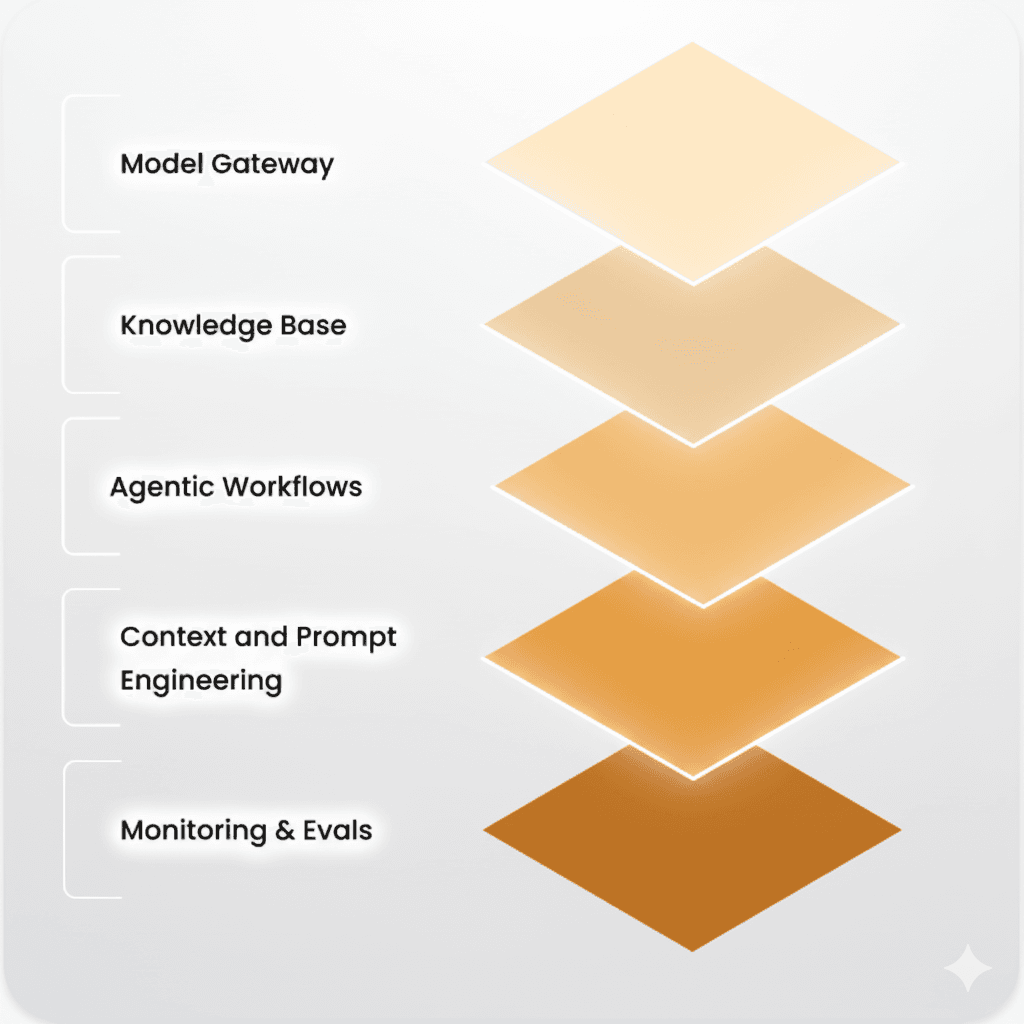
Enterprise-grade agent builder platforms must address stringent security and compliance requirements. This includes data encryption, access controls, audit trails, and compliance with industry regulations. Organizations need platforms that can operate within their existing security frameworks while maintaining the flexibility to innovate.
As agent deployments grow from pilot projects to enterprise-wide implementations, platforms must demonstrate robust scalability. This includes the ability to handle increasing transaction volumes, support multiple concurrent users, and maintain performance standards across diverse use cases.
The future of agent builder technology promises even more sophisticated capabilities and broader applications. Emerging trends include multi-modal interactions that combine text, voice, and visual inputs, predictive capabilities that anticipate user needs, and collaborative agent networks that work together to solve complex problems.
As the technology matures, we're seeing the emergence of industry-specific agent builder platforms tailored to unique sector requirements. Healthcare, finance, manufacturing, and retail industries are developing specialized solutions that address their particular compliance, workflow, and integration needs.
Future agent builder platforms will increasingly incorporate ethical AI principles and responsible development practices. This includes bias detection, transparency features, and governance frameworks that ensure AI agents operate fairly and accountably.
Organizations embarking on their agent builder journey should follow a structured approach that begins with pilot projects and scales gradually to enterprise-wide deployment. Success depends on identifying appropriate use cases, assembling cross-functional teams, and establishing clear success metrics.

The most successful implementations begin with well-defined pilot projects that demonstrate clear value while minimizing risk. Organizations should choose use cases with measurable outcomes, manageable complexity, and strong stakeholder support.
While no-code platforms reduce technical barriers, organizations still need to develop internal capabilities for agent design, deployment, and optimization. This includes training business users on platform capabilities and establishing governance frameworks for agent development and management.
Agent builder platforms create intelligent, adaptive systems that can learn and make decisions, while traditional automation follows rigid, predetermined rules. Modern agents can handle complex scenarios, integrate multiple data sources, and improve their performance over time through machine learning capabilities.
Implementation timelines vary based on complexity and scope. Simple agents can be deployed within days using no-code platforms, while enterprise-wide implementations typically require 3-6 months for full deployment, including integration, testing, and user training phases.
Modern no-code agent builder platforms enable business users to create sophisticated agents without programming knowledge. However, complex integrations and advanced customizations may require technical expertise in APIs, data modeling, and system architecture.
Yes, enterprise-grade agent builder platforms offer extensive integration capabilities through APIs, webhooks, and pre-built connectors. They can seamlessly connect with CRM systems, databases, ERP platforms, and other business applications to create unified workflows.
Key security considerations include data encryption, access controls, audit logging, and compliance with industry regulations. Enterprise platforms should offer deployment within secure, private environments and built-in governance features to maintain data protection standards.
The future of AI lies in democratizing access to intelligent automation through sophisticated yet accessible agent builder platforms. As these technologies continue to evolve, organizations that embrace this transformation will gain significant competitive advantages through improved efficiency, enhanced customer experiences, and accelerated innovation. The key to success lies in choosing platforms that balance ease of use with enterprise-grade capabilities, enabling organizations to harness AI's power while maintaining control and security. For enterprises ready to embark on this journey, the time to explore agent builder technology is now, as the foundation for tomorrow's intelligent, automated business processes.


Copyright © 2025 dotkonnekt Pte Ltd. All rights reserved.